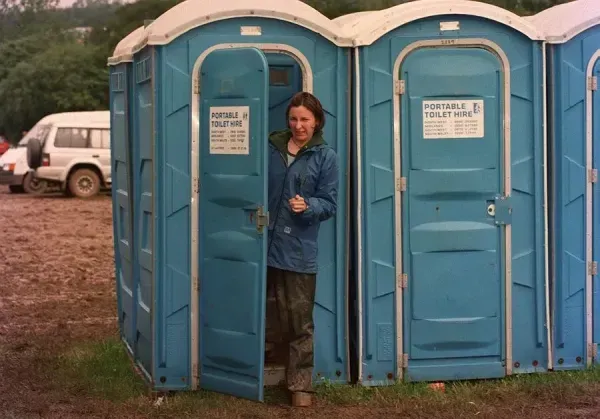

As my nan used to say - you can tell a lot about a place from its toilets. And it's fair to say, when it comes to experiences, I'm obsessed with them.
You might arrive at a beautiful office, a busy café, or a slick visitor attraction. The welcome is polished, the branding sharp, the service rehearsed. And then you slip away to the loo and suddenly you see the truth.
A broken lock. A soap dispenser that hasn’t been filled in days. A faded Covid sign still taped to the mirror like a ghost of 2020. All the polish of the front-of-house vanishes. Because if they’ve stopped noticing here, what else have they stopped noticing?
Why toilets punch above their weight
Toilets don’t get design awards (often), they don’t appear on campaign mood boards, and they rarely make the budget spreadsheet. Yet they shape experience and demonstrate culture more than almost any other space.
The numbers prove it: over 80% of facility complaints relate to toilets, and more than four in five people say a bad loo puts them off returning. In restaurants and hospitality, dirty toilets cut repeat visits by around 20%.
Psychologists call it the Peak-End Rule: people judge experiences by their extremes and by how they end. Which makes the loo dangerous territory. For many customers, it’s the last stop before they leave. If the final impression is disappointment - no soap, a cracked seat, the faint smell of neglect (or worse), that’s what tips the memory from positive to no thanks.
The workplace test
In offices, toilets are culture in miniature. An employer can talk endlessly about wellbeing, inclusion, and values, but the loos tell the truth.
Free sanitary products? Clean mirrors? Lighting that flatters rather than exposes? These are the signals staff notice every day. They’re not perks; they’re respect. And don’t start me on the signs telling people to clean up after themselves. Really? Are we dealing with adults or running a nursery? More often than not it’s a response to one incident with one person, and the rest of the workforce gets a lifetime of infantilising posters. That says more about the culture than the mess ever did.
Employees don’t measure culture by the slogans on the wall. They measure it by whether the hand dryer works.
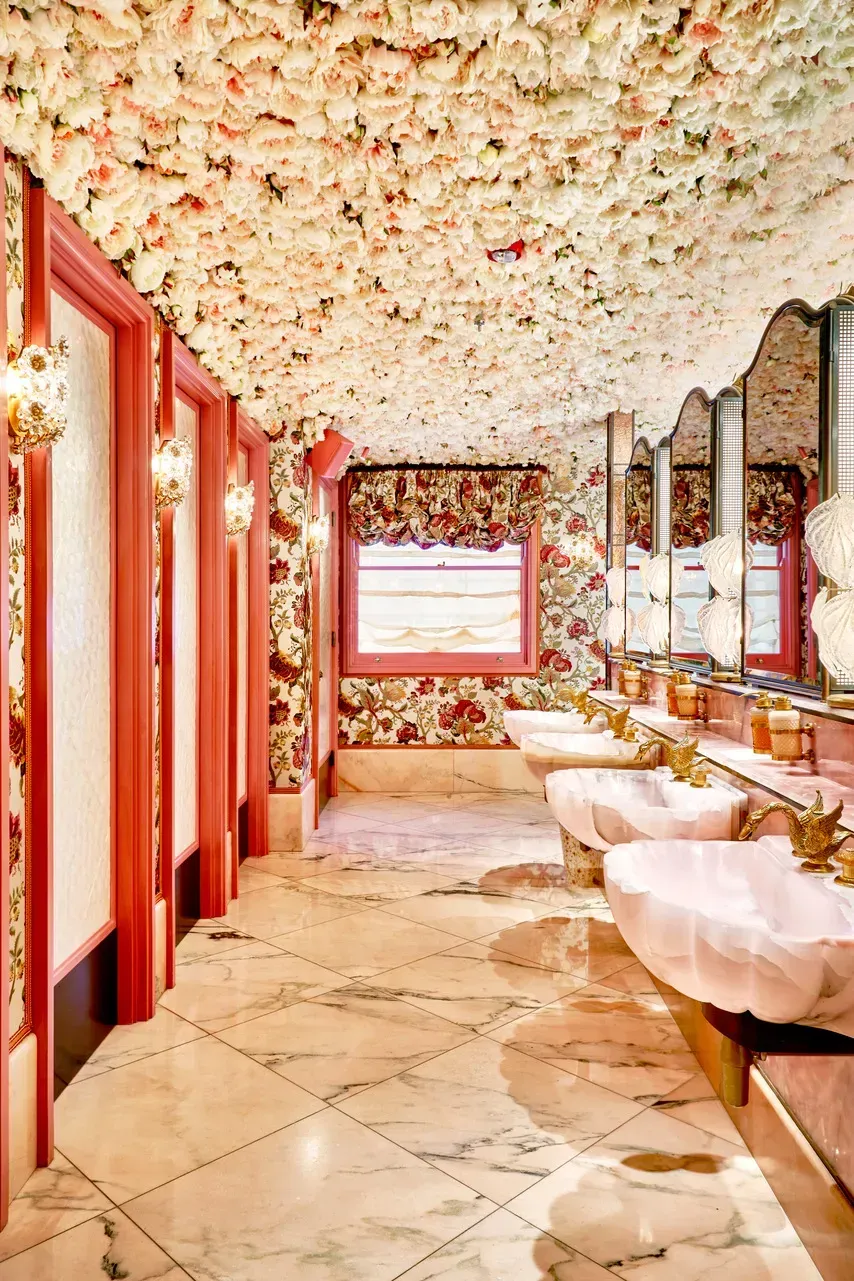
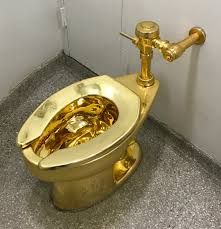
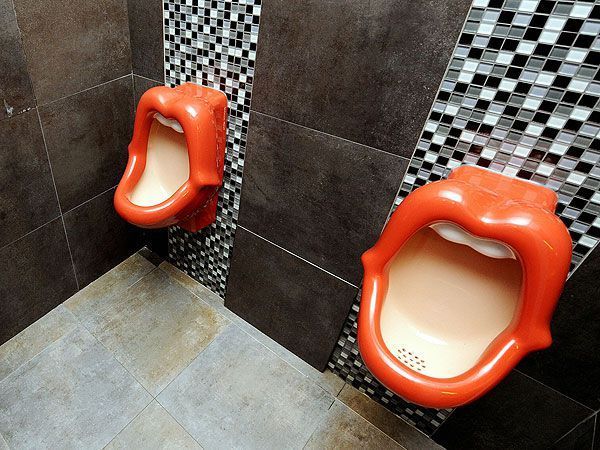
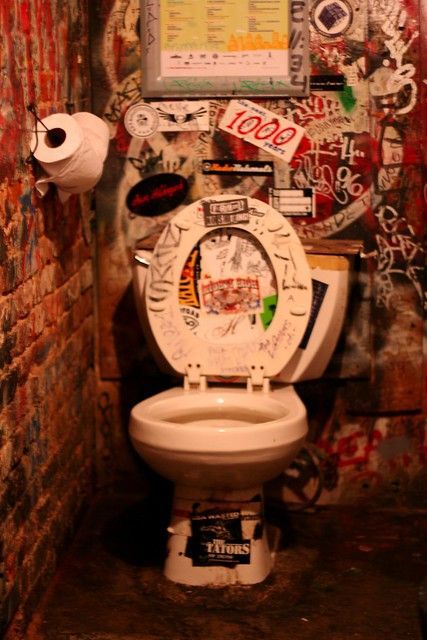
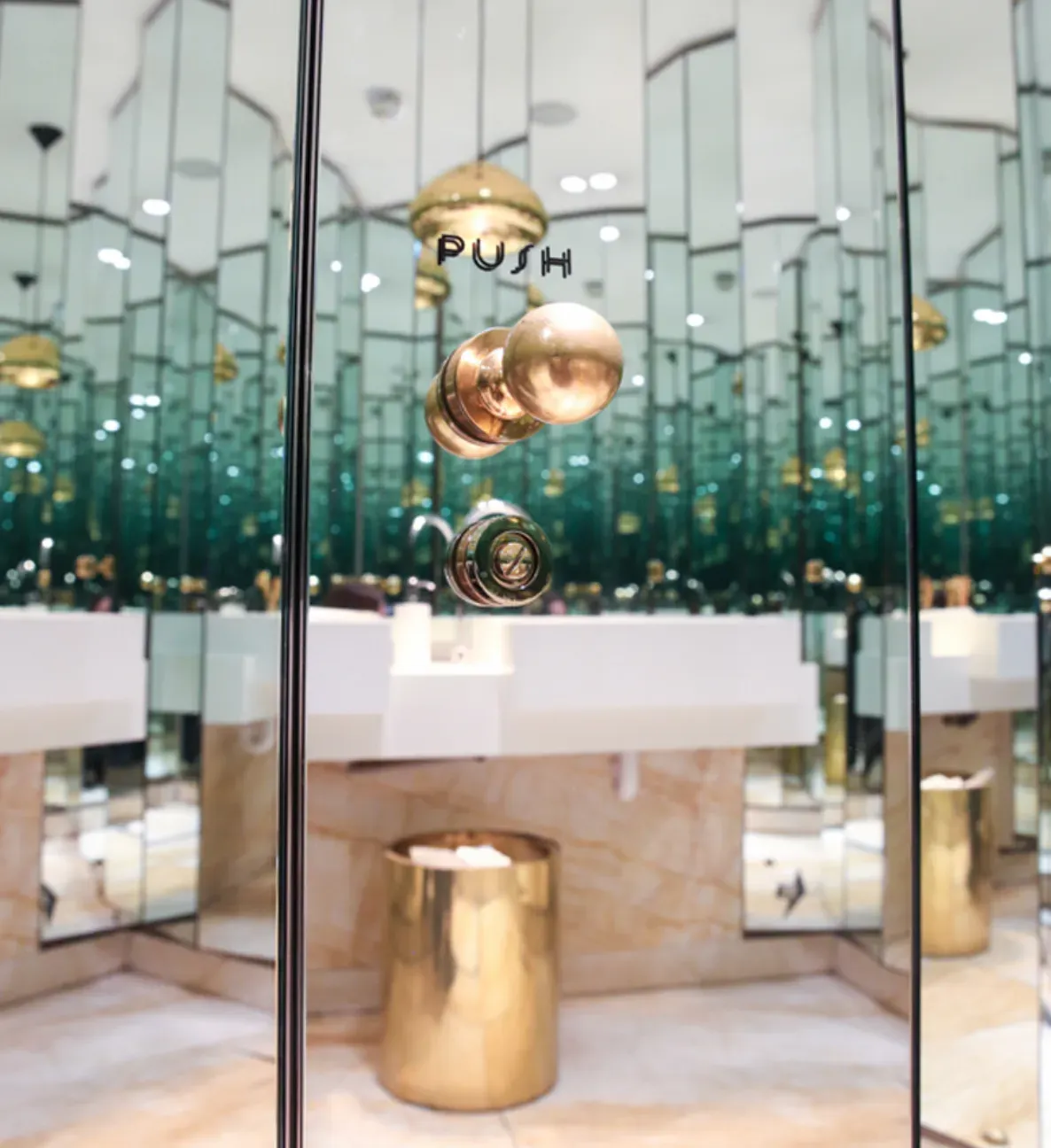
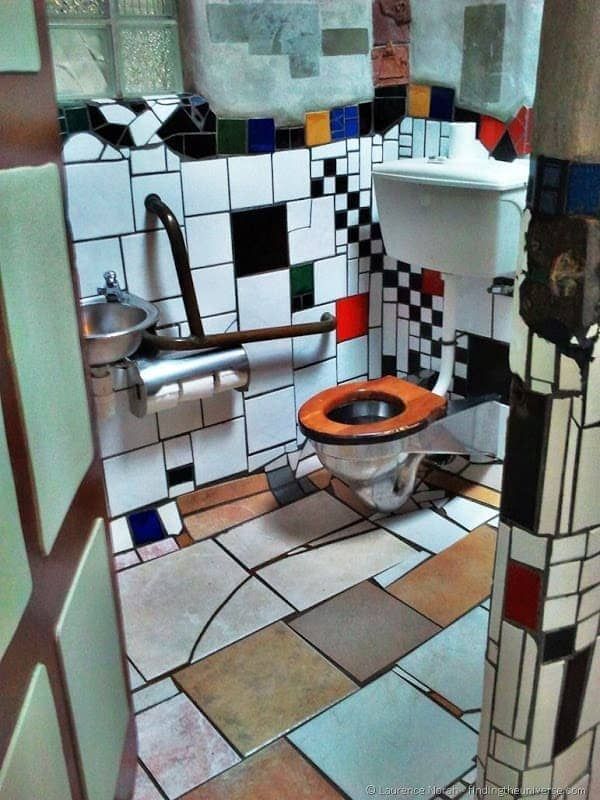
The toilet as theatre
Then there are the loos that become icons.
Sketch London didn’t install its futuristic white egg-pods to make cleaning easier. They were designed by Noé Duchaufour-Lawrence, fabricated by yacht makers, and have barely changed since 2002. They’re theatrical, surreal, and unforgettable. They’ve been Instagrammed millions of times. They’re not just toilets - they’re a distinctive brand asset.
That’s the extreme. But even smaller touches matter. A boutique hotel using its signature scent in the loos. An independent café with humour in the signage. A farm shop with fresh flowers on the sink. These details extend the brand story into a space most businesses ignore.
Why this is worth caring about
Because toilets do more than provide a function; they subliminally shape trust, retention, and memory.
- Shops: Nearly two-thirds of customers say the cleanliness of the toilets shapes their overall opinion of a business. That’s reputation decided before you’ve even started selling.
- Food & Beverage: More than four in five people say a bad loo puts them off returning. In restaurants that means no repeat bookings and no extra spend on desserts or drinks.
- Workplace: Around 64% of employees say the state of workplace toilets affects their overall job satisfaction. That makes loos one of the most visible daily signals of culture.
- Attractions: Families routinely cut visits short when toilets aren’t child-friendly. Studies show poor facilities reduce repeat visits by around 20% in hospitality and leisure.
Loo moments become memory anchors. They either reinforce trust or destroy it. And because they so often come at the end of the experience, they weigh heavier than almost any other touchpoint.
The takeaway
Toilets aren’t glamorous. They’re not usually front of the deck. But they are front of mind.
So here’s the advice: go and check your toilets. Don’t just tick off the cleaning schedule - look harder. What are they really saying about your business? Do they reinforce the care, creativity, and respect you want people to feel? Or do they undo all your other efforts in a single flush?
Every business has a culture it can’t hide and for my money – you’ll find it in the toilets.
Ready to review your experience?
At Equipt, we run experience reviews, mystery shopping, and customer journey mapping to show you how your business really feels to the people who matter. Talk to us if you’d like to see your business through their eyes and change.