

How Jellycat made their fortune
There is a version of strategy that lives entirely inside the category you operate in (in fact most strategy is here). It studies competitors, benchmarks pricing, refines positioning statements and tweaks messaging frameworks. It is diligent, sensible and often very well executed.
And then there is the version that asks a more expansive question: what is happening in the wider market that could fundamentally change the trajectory of this business?
Jellycat is a compelling example of what happens when you write strategy with that second lens.
Founded in 1999, Jellycat spent years building a strong reputation as a premium plush brand. Its products were soft, distinctive and giftable, and it achieved wide distribution. It was a good business and a steady one. What it had not yet become was a cultural phenomenon.
The inflection point did not begin in the toy aisle. It began in culture.
During the pandemic, comfort became a form of social permission. Softness stopped being something that belonged purely to childhood and became something adults embraced publicly. Nostalgia evolved from memory into aesthetic. The rise of the so-called “kidult” reflected a genuine generational shift, with Millennials and Gen Z openly purchasing objects that felt playful, ironic and emotionally expressive.
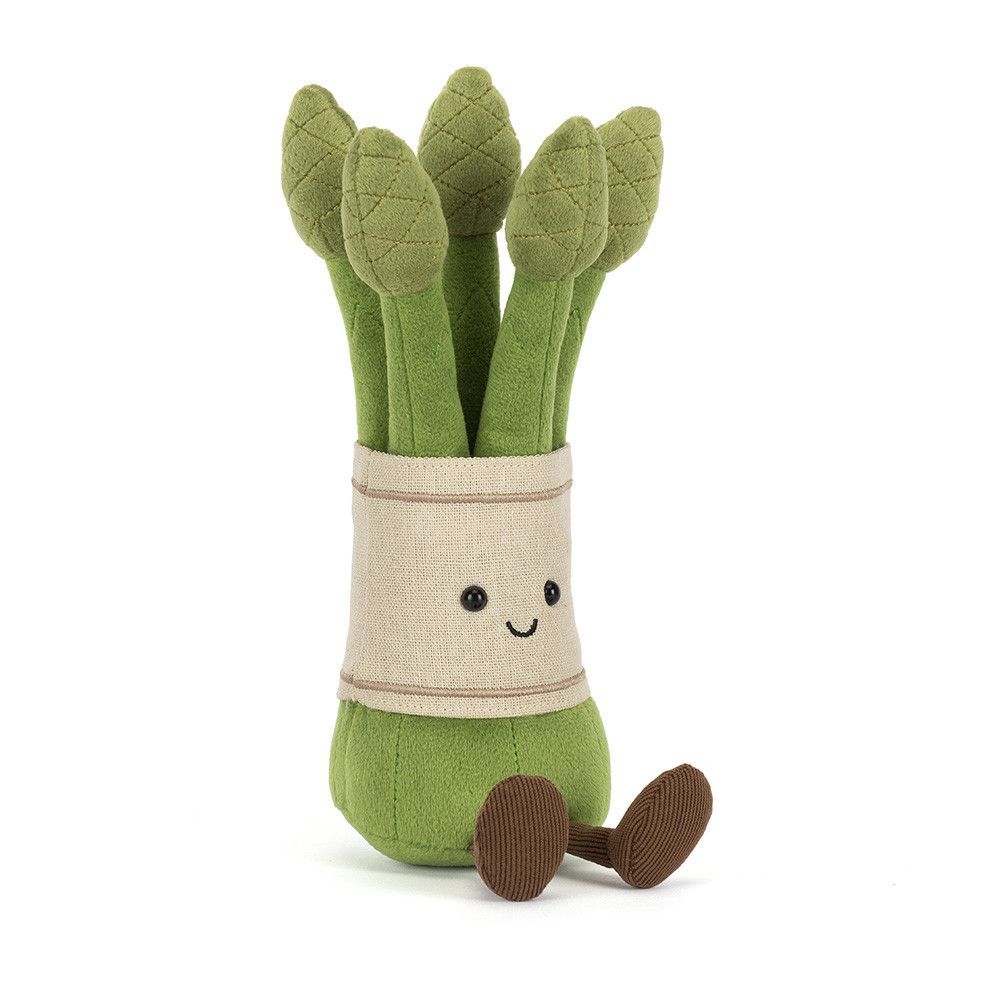
At the same time, platforms such as TikTok reshaped how demand is created. Products were no longer simply advertised; they were displayed, curated and performed. Bedrooms and shelves became backdrops for identity. Collections became content. Ownership became visible.
Jellycat happened to sit at the intersection of these shifts. Its products were inherently tactile, photogenic and emotionally resonant. As culture moved, the brand found itself aligned with that movement.
What followed was commercially astute.
Jellycat began incorporating mechanics more commonly associated with trainer culture and streetwear. Limited drops, seasonal releases that quietly disappeared, and a subtle but deliberate sense of scarcity created anticipation. Anticipation drives conversation, and conversation amplifies demand. Plush toys started to operate less like standard retail inventory and more like collectible artefacts.
That shift in mechanics mattered strategically. Rather than confining its thinking to traditional toy levers like character range, gifting occasions and distribution breadth, the brand drew inspiration from categories with far stronger cultural heat. It absorbed scarcity economics, embraced collectability and allowed community behaviour to build momentum organically.
Experiential retail then amplified this further.
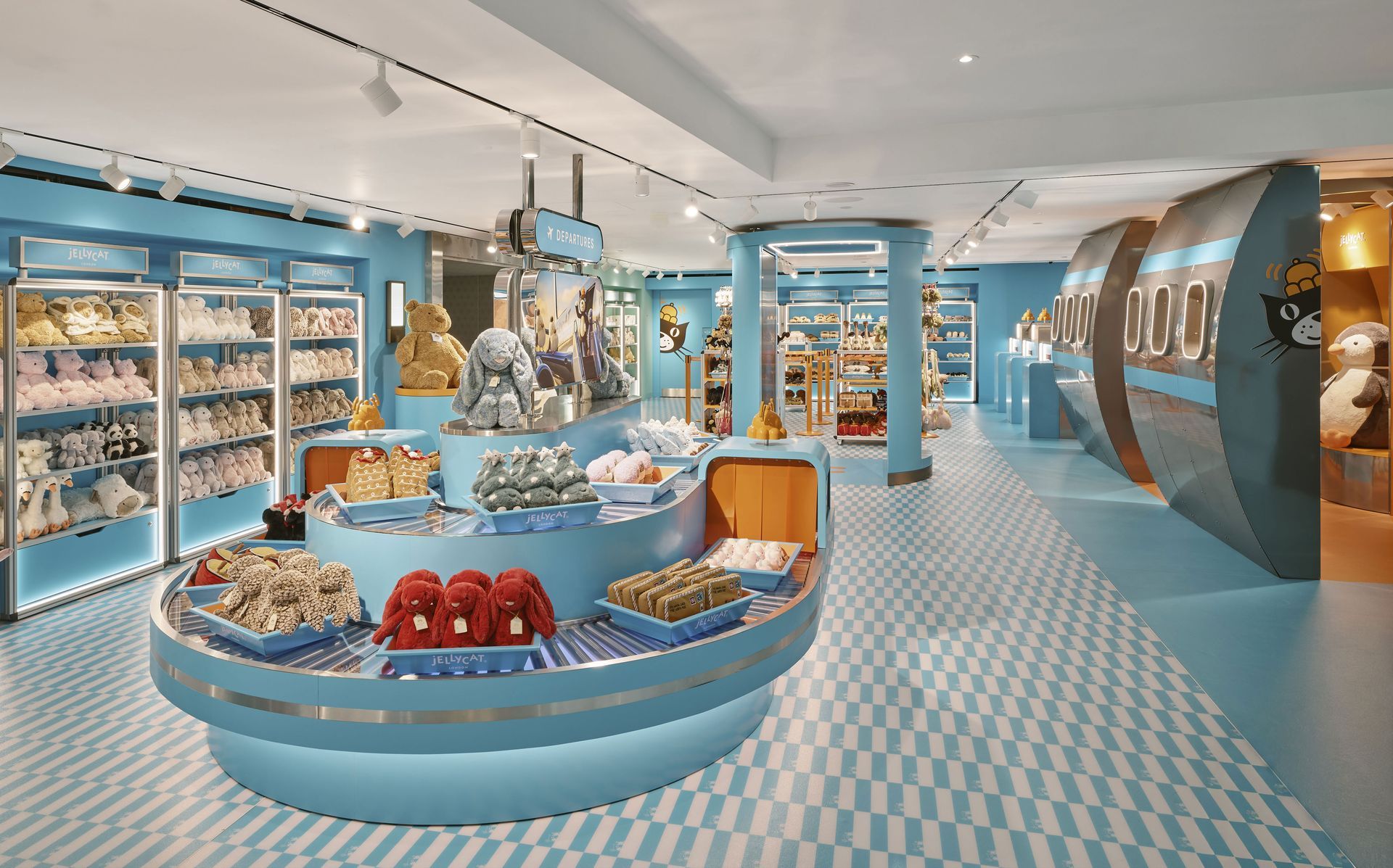
Step into a Jellycat retail environment and the experience feels immersive rather than transactional. Oversized characters, theatrical displays and pop-ups that resemble fashion activations turn a purchase into a moment. Queues for launches and shareable in-store installations extend the brand into social feeds. The physical space becomes part of the content ecosystem.
This reflects a broader market reality. In an era when almost any product can be delivered to your door within days, physical retail must justify its existence through experience. Fashion and beauty brands recognised this early; flagship stores became stages, and visits became events. Jellycat translated that logic into its own category with remarkable effect.
Today the brand operates across three reinforcing dimensions: cultural softness and nostalgia, scarcity-driven collectability and experiential retail designed for immersion and sharing. When those dimensions align, growth compounds rather than increments.
The financial results illustrate that clearly. In the year to December 2024, Jellycat reported revenue of approximately £333 million and pre-tax profit of around £139 million, with profit more than doubling year on year. That level of profitability indicates not only demand, but disciplined execution and strong commercial control.
The broader lesson is less about plush toys and more about perspective.
Growth often emerges at the intersection of culture, behaviour and borrowed mechanics. It requires scanning beyond direct competitors and observing how adjacent categories generate heat. It involves understanding how platforms reshape desire and how experiential environments reinforce identity. It asks leaders to consider not only what their category expects, but what the wider market makes possible.
Jellycat’s trajectory demonstrates the power of writing strategy with the market in view. When internal capability meets external momentum, the result can be transformational rather than incremental.
Sometimes the most important insights are not found in your competitive set at all. They are found in the spaces where culture is already moving, waiting for brands that are willing to meet it there.